
Repairing your teeth
Ceramic Inlay or Composite Filling: Which Protects Your Tooth?
A back tooth with a larger cavity may be restored directly with composite resin or with an indirect ceramic inlay made outside the mouth.
Talk through your options for repairing teeth
If you would like to understand how a tooth might be repaired or protected, a £30 consultation offers time to discuss your concerns and what an individual assessment may involve.
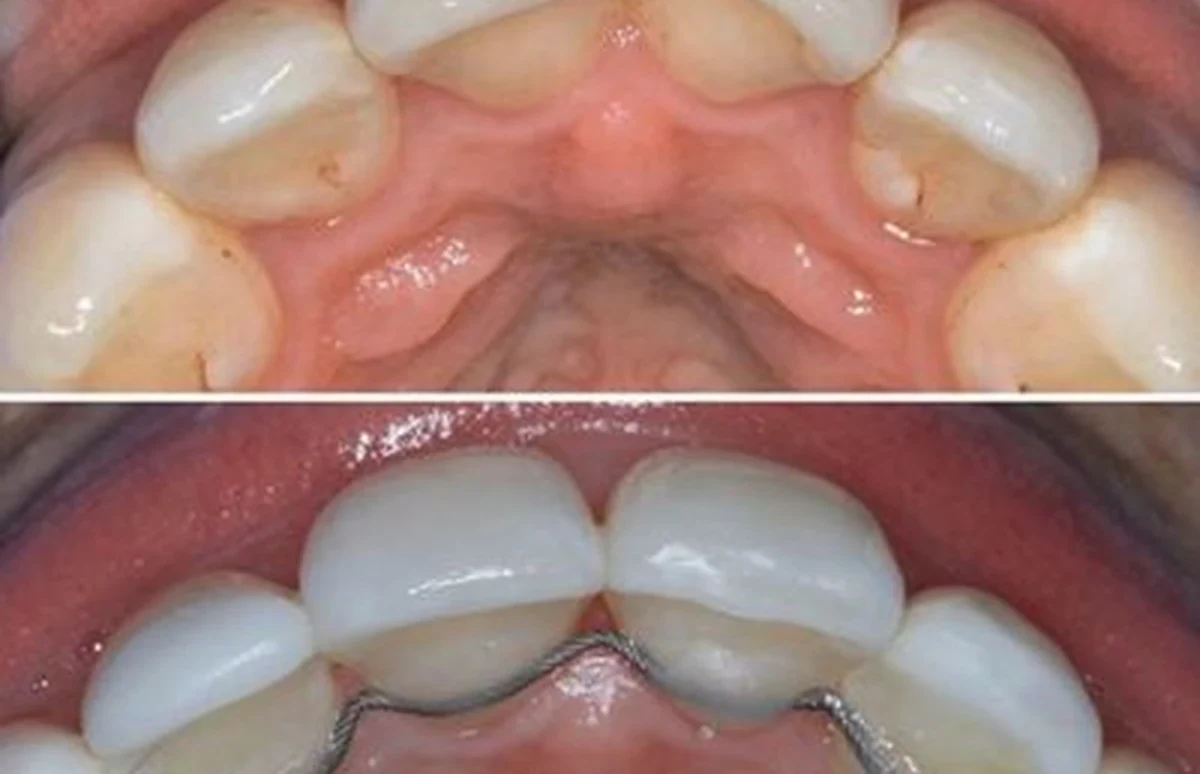
A larger back-tooth cavity may suit direct composite or a lithium-disilicate inlay, depending on the remaining walls, bite and ability to bond it reliably. The key question is whether the cusps can stay uncovered or need protection. Compare the tooth structure preserved and the full treatment stages, alongside appearance and cost.
An inlay restores the inside; an onlay may protect cusps
An inlay fits within the cusps of a back tooth; an onlay extends over one or more cusps when they need protection. A direct filling is placed and shaped in the mouth, whereas an indirect restoration is designed from an impression or scan and later bonded or cemented. The type of restoration should follow the fracture risk and shape of the existing cavity. If a cusp is thin and undermined, merely filling the internal hole may leave it poorly supported. Conversely, full crown preparation may remove sound tissue unnecessarily when a partial restoration would be sufficient.
When direct composite can make sense
Composite can restore selected cavities conservatively, often in one visit. It still needs moisture control, an accurate contact and chewing surface, adequate curing and management of stresses as it sets and shrinks. Large cavities extending under the gum or across several surfaces can be demanding to shape. The absence of a laboratory stage does not make the material unsuitable; the choice follows the tooth's needs.
What lithium disilicate changes
Lithium disilicate is a glass ceramic that can be fabricated by laboratory pressing or CAD-CAM processes and bonded using material-specific protocols. It can give controlled anatomy, attractive colour and an indirect route to constructing the contact points. However, the preparation must provide adequate material thickness, internal geometry and a suitable bonding substrate. A ceramic piece can be vulnerable where its edges are too thin or the bite concentrates forces in an unfavourable way. The advantage is not simply hardness; it is the ability to create an appropriately designed restoration when the cavity geometry makes a direct repair less desirable.
Preparation should respect the remaining tooth
The dentist assesses old material, cracks, side margins and wall height, explaining which cusp needs coverage if any. A ceramic inlay may require shaping for fit and thickness and cannot be assumed to need no drilling. A large direct filling may also be inadequate if cusps remain unsupported. A diagram can show the intended outline and the healthy enamel and dentine being preserved.
Bonding, fit and bite are decisive
A restoration may be laboratory-perfect in colour but clinically unsuitable if it traps food or creates a high spot. At fitting the clinician checks margins, proximal contacts, seating and functional occlusion. Glass-ceramic bonding involves conditioning the restoration and tooth using specified protocols and controlling moisture. Direct composite demands similarly careful preparation and curing in increments or other manufacturer-approved techniques. The patient's role is to ask how the proposed restoration will be maintained, whether repairs are possible and what alternative would apply if the tooth cracks or develops new decay in the future.
Compare the full pathway, not labels
An indirect restoration may include scans, temporary protection and a fitting stage that a direct filling avoids. Fees should identify those differences. Reviews show that patient and clinical factors affect survival alongside material, so averages cannot guarantee a lifespan. The written plan should identify a filling, inlay, onlay or crown and explain why its preparation and protection suit the remaining tooth.
Evidence and further reading
- American Dental Association: indirect restorative materials
- Evidence summary: posterior restoration longevity — PMID 20230962
- NHS: dental treatment choices
The practices are in Hatfield and Cheshunt in Hertfordshire, and Friern Barnet in North London. If travelling from Bedfordshire, Buckinghamshire or Essex, use the actual clinic address on your confirmation.
Your next step, when you’re ready
We would be pleased to welcome you for a £30 consultation at your preferred Iconic Smiles practice. Bring your questions, and we can talk through the options that may suit you.
Any additional investigations and their fees will be explained before you decide.