
Dental implants — replacing missing teeth
Cobalt-Chromium or Acrylic Partial Dentures: Which Design Suits You?
A partial denture replaces one or more missing teeth while using remaining teeth and gums for support.
Explore your tooth replacement options
If you are considering replacing a tooth or several teeth, a £30 consultation gives you a chance to explain what matters most, ask questions and explore the options with our team.
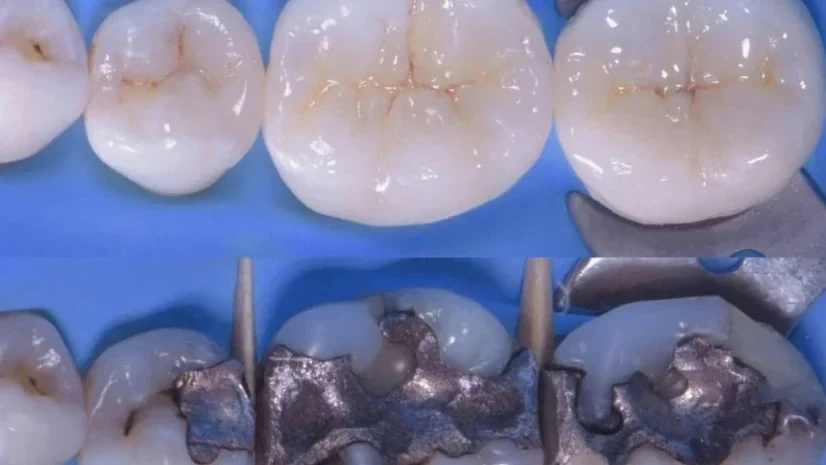
Acrylic and cobalt-chromium partial dentures offer different combinations of bulk, support and ease of later modification. The suitable design depends on the gaps, remaining teeth, gums, bite and likely future changes. Start by comparing how each would be supported and cleaned, rather than treating the metal option as an automatic upgrade.
How an acrylic denture is constructed
An acrylic partial denture typically uses a resin base carrying artificial teeth and may include metal clasps. Acrylic designs can be useful as temporary or transitional replacements and in some longer-term situations. They may require more bulk to achieve appropriate strength and coverage, and the patient must learn how the base sits against the palate or gum. Because resin frameworks can sometimes be modified, acrylic may be practical where the dental situation is still changing. The dentist should explain the expected stability and whether the design will be supported partly by gums or by suitable natural teeth.
What a cobalt-chromium framework changes
A cobalt-chromium framework can be thin and rigid, with clasps, rests and connectors planned around suitable teeth. This may reduce bulk compared with an acrylic plate in selected areas. It still needs accurate fit, healthy supports and cleaning access. A clasp may be visible, so the intended contacts and appearance should be demonstrated before manufacture.
The remaining teeth determine what is feasible
A partial denture is not supported solely by its material. The distribution, periodontal support and shape of remaining teeth influence how chewing forces are transmitted. The dentist assesses the bite and whether teeth might need minor preparation for rests or guide surfaces. If gum disease is active or several teeth have doubtful long-term prognosis, a rigid definitive framework may not be the best immediate investment. Sometimes staged periodontal or restorative treatment makes the eventual denture more secure. In other cases, an implant or bridge offers a fixed alternative that better meets the patient's functional expectations.
Comfort, speech and appearance need trials
A metal connector crossing the palate feels different from an acrylic plate, but either may take time to adapt to. Denture teeth must be shaped to fit the available space and align with the remaining natural dentition. The technician and dentist consider lip support, tooth shade, position of clasps and how the appliance affects speech and chewing. Where appropriate, a trial stage lets the patient assess the arrangement before final processing. A thin framework can still be uncomfortable if it carries an unsuitable occlusal scheme or presses on a soft-tissue area.
Cleaning and future changes are part of the choice
Both designs require daily removal and cleaning, as well as care of the supporting teeth and gums. Food and plaque can collect around clasps or beneath bases. Metal frameworks may be less easily altered if additional teeth are lost, while some acrylic dentures can be modified more readily; actual repair options depend on the design and laboratory. The patient should know how the appliance will be serviced, what a reline means and whether replacement might become necessary as the ridge changes. A lower initial fee may be reasonable for a transitional denture rather than evidence of poor care.
Compare the complete treatment plan
Establish whether the denture is intended for long-term use or a transition to another replacement. A diagram can show support points, visible clasps, palate coverage and cleaning routes. Include trials, fitting, adjustments and possible relines in the estimate. Speech, chewing, appearance and maintenance need to suit the remaining teeth and your priorities.
Evidence and further reading
The practices are in Hatfield and Cheshunt in Hertfordshire, and Friern Barnet in North London. If travelling from Bedfordshire, Buckinghamshire or Essex, use the actual clinic address on your confirmation.
Your next step, when you’re ready
We would be pleased to welcome you for a £30 consultation at your preferred Iconic Smiles practice. Bring your questions, and we can talk through the options that may suit you.
Any additional investigations and their fees will be explained before you decide.