
Super-master guide · Choosing dental care
Cosmetic Dentistry that Protects Teeth: Balancing Appearance and Long-Term Health
Patient priorities, gum disease and tooth preservation; broader risk-management than a single minimally invasive technique.
Get answers before you decide
Choosing dental care should feel straightforward. A £30 consultation gives you the opportunity to explain your wishes, ask about our approach and understand your options.
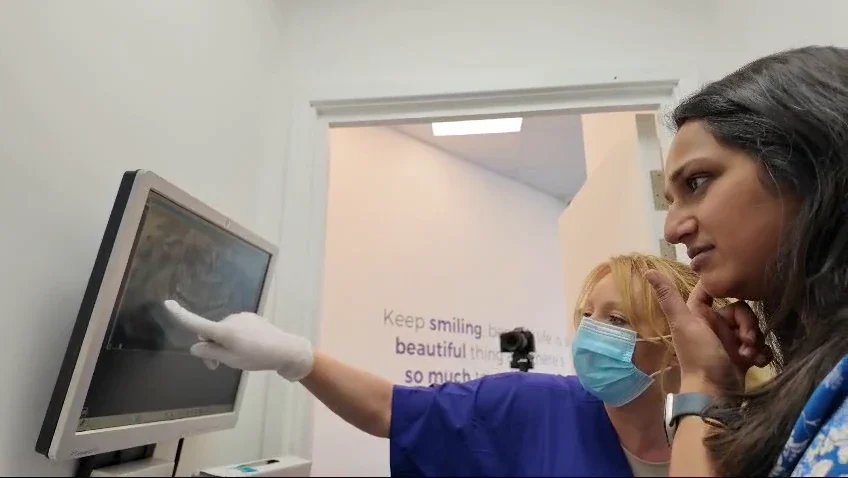
Wanting to feel more confident about your smile does not mean you want every tooth altered. Many people would prefer a subtle improvement, especially if their teeth are healthy and they are worried about removing enamel. That is a sensible priority to share with your dentist. Contemporary cosmetic care should be discussed in terms of its benefits, biological costs, alternatives and the future maintenance it creates.
For questions about choosing a clinician, the guide to finding a cosmetic dentist for a natural-looking result is a useful starting point. This article focuses on a specific principle within cosmetic dentistry: how to balance visible improvement with preservation of healthy tooth tissue and long-term oral health.
A related treatment-planning question is explored in Improving Tooth Colour, Shape or Spacing: A Guide to Your Cosmetic Options. This related guide addresses a different patient question and can help you compare your options without rushing a decision.
Begin with your own definition of improvement
One person wants an obvious change in colour; another wants to soften a chipped edge while retaining a natural character. The clinician should ask what you like about your smile, what you would change and what you would rather leave untouched.
A consultation should identify whether the concern is caused by tooth position, colour, shape, wear or gum contours. It may be possible to improve your priority without treating every visible tooth.
If a proposed makeover involves more teeth than you expected, ask why and whether a narrower alternative would still achieve a worthwhile result.
What is meant by preserving tooth structure?
Natural enamel is valuable. Some treatments seek to change appearance with little or no removal of healthy tooth tissue, while others require irreversible preparation. The word ‘conservative’ is meaningful only when the clinician explains what will actually happen to each tooth.
For example, whitening may change natural tooth shade without cutting the tooth, though it can cause sensitivity and is unsuitable in some situations. Orthodontics changes position rather than covering the tooth, but involves different risks and a commitment to retention. Composite bonding can add shape in selected cases, yet it may still require preparation or future repairs.
A veneer or crown may be appropriate for a damaged tooth, but should not automatically be treated as the answer to a minor cosmetic concern on an otherwise healthy tooth.
Healthy gums are part of the aesthetic result
The gums frame the teeth. Active inflammation, recession and poorly controlled plaque can affect both appearance and the success of restorations. A dentist should assess gum health before elective treatment and explain any care needed first.
Treating gum disease is not a cosmetic detour; it protects the foundation around teeth and influences long-term maintenance. You should understand why care is being proposed and how it fits your priorities.
Aesthetic restorations should be designed with cleaning access in mind. If a proposed shape is bulky or creates inaccessible margins, the appearance may come at an unnecessary biological cost.
Choose the right sequence rather than the most procedures
A change in tooth position may make later restorative additions smaller. Whitening may need to precede selection of a shade for bonding or veneers. If teeth are worn, the cause may need investigation before their appearance is restored.
These decisions can reduce avoidable rework and help preserve tooth tissue. They may also take longer than a rapid makeover, so the timing should be discussed openly.
The guide to understanding a dental treatment plan can help you separate clinical priorities from elective choices.
When doing less is the right answer
No treatment is a legitimate option when a concern is minor, the teeth are healthy and the proposed benefit does not justify the risks or maintenance commitment. Monitoring a small irregularity may be preferable to altering sound enamel.
A clinician should be comfortable discussing that option without making you feel that your wishes are trivial. Your preference for a modest change may reflect an informed understanding of the trade-offs.
If you choose not to proceed, ask what signs would merit reassessment and whether there are low-risk ways to maintain the appearance and health of your teeth.
Materials have limits
Composite, ceramic and natural enamel behave differently. Composite can stain, wear or chip; ceramic can fracture or debond; natural teeth remain at risk of decay and gum problems around restorations. No material eliminates the need for oral hygiene or appropriate reviews.
The clinician should explain how your bite and habits affect the proposed design. A very thin restoration may not suit every tooth, and a more extensive preparation cannot always be justified by promising greater durability.
Look for an explanation of the likely maintenance pathway, not a guarantee that the result will never need attention.
Consent includes alternatives and future costs
Consent is not only a signature before treatment. You should understand the proposed benefit, realistic limits, material risks, alternatives and what could happen if you choose no treatment. If enamel will be removed, ask for the reason and the extent.
Costs should include a discussion of future repairs and replacements. A restoration placed at 25 may need attention at different times over a long lifespan; it is not possible to promise exactly when.
If you feel unsure, taking time or seeking another opinion can be a constructive part of the decision.
How to judge a treatment proposal
A useful proposal is specific: it identifies the problem, shows the existing tooth condition, explains what will be changed and what will be preserved, and discusses how the result can be cleaned and maintained.
Be cautious of plans that promise identical outcomes for every patient, imply that preparation is always reversible or dismiss questions about alternatives. Conversely, a carefully explained plan may still involve substantial restorative work when teeth are genuinely damaged.
The goal is proportional care, not an arbitrary rule that the least intervention is always adequate.
A practical checklist
- Which changes matter most to me, and which features would I like to keep?
- What is the underlying cause of the concern?
- Which teeth genuinely need treatment?
- How much natural enamel or dentine would be removed?
- Could a smaller change, orthodontics, whitening or no treatment be suitable?
- How will the bite and gum health be assessed?
- What maintenance or replacement may be needed later?
- Can I take time to consider the plan or seek a second opinion?
Feeling comfortable with a plan should come from understanding it. You should not need to choose between being listened to and protecting your teeth.
References and further evidence
- NHS — Dental care and treatment options.
- NICE CG19 — Dental recall and individual risk.
- British Orthodontic Society — Retainers after orthodontics.
This guide supports informed choices, not a universal recommendation against or for a particular cosmetic treatment. Individual clinical findings, preferences and alternatives should guide care.
Your next step, when you’re ready
We would be pleased to welcome you for a £30 consultation at your preferred Iconic Smiles practice. Bring your questions, and we can talk through the options that may suit you.
Any additional investigations and their fees will be explained before you decide.