
Super-master guide · Bonding, veneers and whitening
What Makes a Smile Look Natural? Shape, Speech and Everyday Expression
Focus on natural tooth design across rest and speech, not colour alone or number of veneers.
Discover what could suit your smile
Whether you are thinking about colour, shape or a subtle change, a £30 consultation is a welcoming place to share your ideas, ask questions and explore a personalised approach.
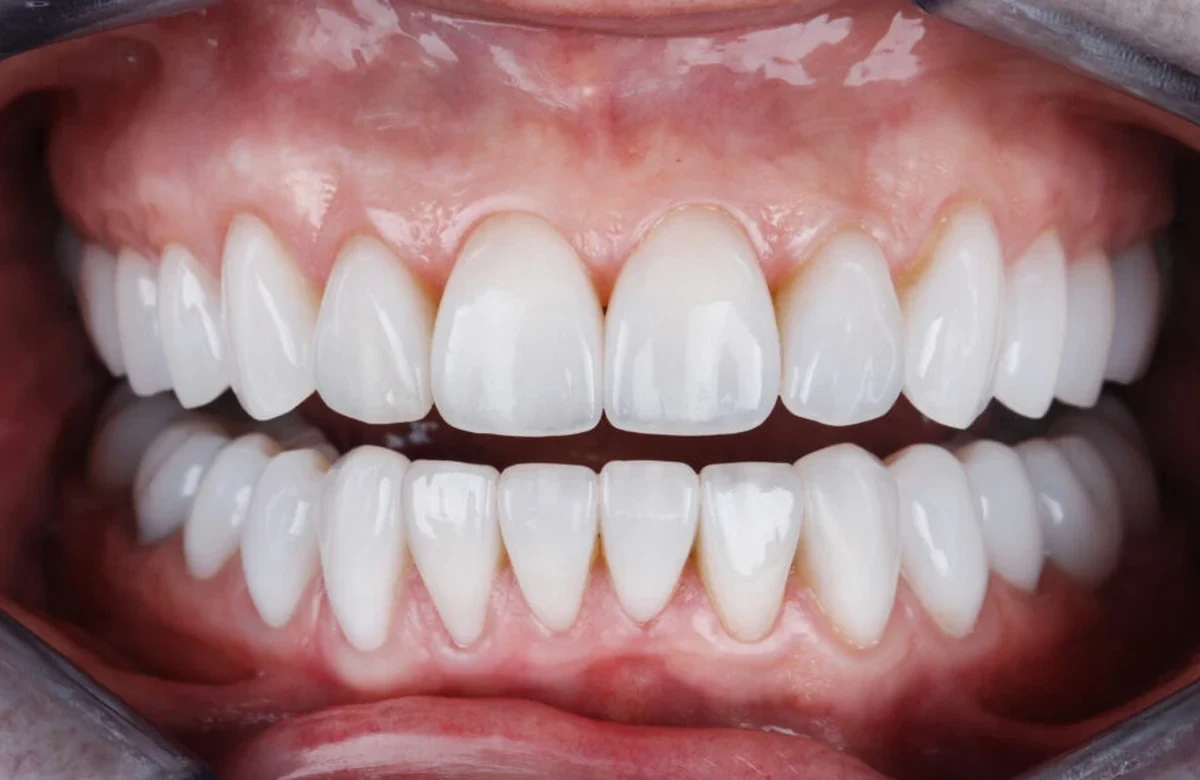
A smile can look striking in a photograph yet feel unfamiliar when you speak, laugh or relax your lips. If you are thinking about a smile makeover, you may want a brighter or more even appearance without losing what makes your face recognisably yours. Natural-looking design is not a single tooth shade or a fashionable shape. It involves proportions, movement, function and personal preference.
The guide to choosing a cosmetic dentist for natural results explores how to discuss your expectations. If you are considering a smile makeover, this article looks specifically at how tooth form, lip position, speaking and everyday expression can shape a plan.
A related treatment-planning question is explored in Porcelain Veneers: The Patient Journey from Planning to Aftercare. This related guide addresses a different patient question and can help you compare your options without rushing a decision.
Natural does not mean completely symmetrical
Human faces, lips and teeth have subtle differences from side to side. Some are almost invisible; others contribute to a person's distinctive expression. A perfectly mirrored smile is not necessarily more believable or attractive.
When you explain what you want, identify the differences that bother you and the features you would prefer to preserve. A dentist should examine the teeth within the context of your face and bite rather than imposing uniform proportions.
A useful question is whether the proposed design would still suit you when you are not smiling for a camera.
Tooth proportions: more than making every edge level
Tooth width, apparent length and the way front edges follow the curve of the lower lip influence the smile. Small differences in position can change how one tooth catches the light or appears longer than its neighbour.
It is easy to overcorrect. Making every front tooth the same length can look unnatural and may change bite contacts. A plan should balance appearance with tooth anatomy, chewing and speaking.
Ask to see proposed changes from several angles. A close-up image of teeth alone may hide how they relate to your face.
The smile at rest
Many people show a small amount of their upper front teeth while their lips are relaxed, but the amount varies with facial anatomy, age and expression. Veneer or bonding design may change that display by altering tooth length or position.
A tooth that looks ideal in a broad smile may seem too prominent when the mouth is relaxed. Conversely, a person who wants more tooth display may not achieve that by simply choosing a whiter shade.
A dentist can assess relaxed lip position and explain which changes are possible without creating undesirable bite or speech effects. The final choice should reflect your preferences rather than an arbitrary number of millimetres.
Talking and laughing reveal different details
Speech uses coordinated movement of the lips, tongue, teeth and jaw. The position and length of front teeth can influence certain sounds. A proposed restoration should therefore be considered during ordinary conversation as well as in a static smile.
Ask whether a mock-up or temporary restoration can help you assess tooth length and speech before committing to irreversible preparation. It may reveal a preference that is hard to express by looking at a photograph.
A mock-up can inform decisions, but it does not guarantee that the final material will feel identical.
Colour, translucency and texture
Natural teeth vary in shade within and between teeth. The edges may look more translucent, and surface texture can affect the reflection of light. Choosing one uniform, opaque colour for every visible tooth may produce an appearance different from what you intended.
Discuss whether you want the result to be subtly brighter, noticeably whiter or almost indistinguishable from existing teeth. Photographs taken under different lighting can help the conversation.
If some teeth will remain untreated, colour matching becomes particularly important. Ceramic, composite and natural enamel may respond differently to staining and whitening over time.
The gumline frames the teeth
Gum levels and contours influence how tooth length is perceived. If the gums are inflamed or the gumline is uneven, the clinical assessment should address this before deciding where new restorations will end.
The dentist should examine periodontal health, cleaning access and whether proposed margins could create plaque traps. A beautiful restoration must also be maintainable.
If a gum procedure is mentioned, ask what change is being sought, whether it is necessary and what alternative designs could achieve an acceptable result.
The bite puts limits on cosmetic shape
Longer front teeth, new edges or a change in tooth thickness can alter contact during chewing and jaw movements. A design that looks balanced can still be unsuitable if it creates excessive or uncomfortable contacts.
Your dentist should assess existing wear, any grinding habits and how the teeth meet. The solution might involve slight changes to the planned shape, prior orthodontics or a different restorative approach.
A natural smile is one that works comfortably as part of the mouth, not a decorative surface separate from function.
Choosing among orthodontics, bonding and veneers
Orthodontic treatment changes tooth positions. Bonding can add shape in suitable cases. Veneers can change colour or contour but may require irreversible preparation. Whitening can alter natural tooth shade without changing tooth position or shape.
For someone with healthy but crowded teeth, alignment before bonding may preserve more tissue than covering misalignment with restorations. For another person, a small conservative repair could be preferable to a lengthy orthodontic plan. These are choices that need individual assessment.
The guide to comparing smile makeover treatment plans can help you question why two clinicians may suggest different routes.
A design conversation that respects your individuality
Bring photographs of your own smile, including expressions you like and ones you want to change. Pictures of other people's smiles can illustrate preferences, but should not be treated as designs that can be copied onto another face.
Ask which changes are reversible, which need enamel preparation, how the result might age and what maintenance will involve. If a plan feels too uniform or dramatic, it is appropriate to ask for a subtler version.
The best discussion is one where you feel heard and understand how the proposed appearance will work when you are eating, speaking and living normally.
Questions worth asking
- How will the planned teeth look with my lips at rest?
- Can I assess the design while speaking and smiling naturally?
- What details of my current smile could be preserved?
- Will the proposed shapes alter my bite or cleaning?
- Which changes are reversible, and which are not?
- Would alignment or conservative bonding avoid more extensive preparation?
- How will the restoration age, and what happens if I change my mind?
A good plan allows you to decide how much change feels right, rather than equating the biggest change with the best result.
References and further evidence
Smile design is individual. Clinical assessment is needed to establish whether a desired shape can be achieved safely with your tooth structure, gums and bite.
Your next step, when you’re ready
We would be pleased to welcome you for a £30 consultation at your preferred Iconic Smiles practice. Bring your questions, and we can talk through the options that may suit you.
Any additional investigations and their fees will be explained before you decide.