
Super-master guide · Bonding, veneers and whitening
Composite Bonding from Consultation to Repair: A Conservative Treatment Guide
Assessment, minimal preparation, bite suitability, colour and repair journey; distinct from price and lifespan pages.
Discover what could suit your smile
Whether you are thinking about colour, shape or a subtle change, a £30 consultation is a welcoming place to share your ideas, ask questions and explore a personalised approach.
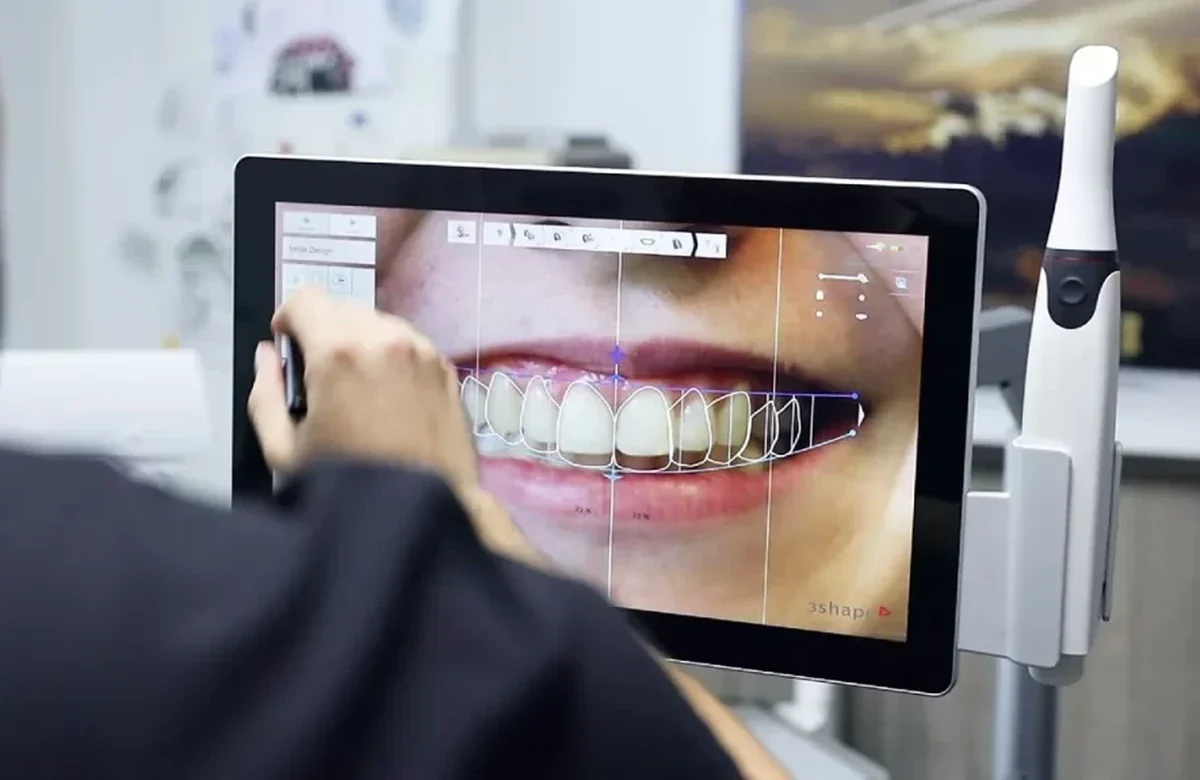
Composite bonding can sound wonderfully simple: add a tooth-coloured material to reshape a tooth and leave with a more balanced smile. For selected teeth it can be a conservative way to make changes, but the quality of the result depends on much more than the appointment itself. The dentist must consider tooth health, available enamel, bite forces, colour matching and what may need repairing in future.
Before choosing, the comparison of bonding and porcelain veneers explains their different materials and trade-offs. This guide follows the full composite bonding treatment journey and helps you decide whether the experience, maintenance and compromises fit your goals.
A related treatment-planning question is explored in Short, Chipped or Uneven Front Teeth: When Composite Bonding Makes Sense. This related guide addresses a different patient question and can help you compare your options without rushing a decision.
Start with the change you actually want
You might hope to soften the appearance of an uneven edge, fill a small gap, lengthen one tooth or repair an old chip. Each goal demands a slightly different design. A small addition to the edge of a healthy tooth is not the same as covering a heavily restored tooth or changing the bite across several teeth.
During consultation, explain what you notice when you smile and talk. A dentist should examine your teeth, gums, existing fillings, bite and signs of wear. Photographs or a trial mock-up can help you see possible changes. You should also hear when no treatment or a smaller adjustment may be appropriate.
The best plan should look like your smile, not a standardised set of identical teeth.
What composite bonding involves
Composite resin is a tooth-coloured restorative material that can be shaped and polished to blend with natural teeth. In some cases only minimal or no enamel reduction may be required. In others, existing decay or damaged restorations need appropriate treatment first.
The tooth surface is prepared to accept the material, and the dentist builds the desired shape in stages. Finishing and polishing aim to create a smooth contour and a natural appearance. Technique, available tooth structure and the planned shape influence both aesthetics and durability.
Ask what preparation is proposed and whether any natural enamel will be removed. A claim that bonding is always reversible may be misleading if the tooth has been altered, enamel has been removed or restorations are already present.
Why bite and tooth length matter
Bonding creates a new surface within your existing bite. Adding length to a front tooth might change which teeth touch during chewing or jaw movements. If there is insufficient space, the new composite may experience repeated contact that increases the chance of chipping or wear.
The dentist should check your bite before and after adding material. They may explain that a desired shape cannot be achieved safely without changing the treatment plan. For some people, tooth alignment or another restorative approach should be considered first.
A visually balanced photograph does not guarantee that a new edge will be comfortable in everyday function.
Natural colour, translucency and texture
Natural teeth are not uniform blocks of white. The way they reflect light, their subtle textures and the colour variations across the tooth all contribute to their appearance. Composite materials offer opportunities for detailed shade matching, but lighting and existing tooth colour influence the result.
Tell the dentist whether you prefer a subtle repair or a more visible change. If whitening is being considered, discuss its order before bonding: composite does not whiten in the same way as natural tooth tissue.
A good trial should consider how teeth look while speaking and with the lips at rest, not only in a full smile.
How long does the appointment take?
Time depends on how many teeth are involved, how much existing work is present and whether any preparatory treatment is needed. A single conservative repair may be simpler than coordinating the shapes of several front teeth. Clinical complexity should determine appointment time rather than a fixed promise.
Ask whether there will be a consultation, trial or mock-up, and what is included at the fitting visit. If local anaesthetic or additional work may be necessary, this should be discussed.
It is sensible to leave time for checking your bite and discussing how the restoration should be cared for, not simply polishing and leaving.
Living with the result
Composite is a restorative material that can wear, stain or chip over time. The degree depends on material, habits, bite, oral care and the location of the restoration. Your dentist should give tailored advice on cleaning, dietary habits and any measures that might protect the work.
Do not assume that avoiding every strongly coloured food is necessary, or that staining can always be prevented. Instead, ask what changes are realistic and what can be addressed through professional polishing or repair.
The guide to bonding longevity and repairs explores the maintenance question in greater depth.
Repairing bonding rather than replacing everything
One attraction of composite is that localised repair or refinishing may sometimes be possible. Whether it is appropriate depends on the location and cause of damage, the condition of the existing material and whether the bite has changed.
A chip may be a simple event, or it may reveal a recurring loading problem. Ask the dentist to investigate why the damage happened before agreeing to repeat the same repair. Sometimes a different shape or protective approach is needed.
If a restoration has extensive damage or recurrent decay, a more substantial replacement may be necessary. Transparent advice should explain why.
Bonding, veneers, orthodontics or no change?
Bonding can add shape, while orthodontics changes tooth positions. Veneers can involve different materials, preparation and long-term commitments. A small enamel contouring adjustment or no treatment may sometimes meet your goals with less intervention.
The choice is not about which procedure sounds most advanced. It is about what must be done to natural tooth tissue, how well the planned change fits the bite and how maintenance will work.
Ask for alternatives, including what would happen if you left the tooth as it is. A confident decision usually follows from understanding both benefits and limits.
What should a written quotation include?
Clarify which teeth are proposed for treatment, whether prior dental care is needed, the expected appointment sequence and what refinements or adjustments are included. Ask about the cost of future polishing, local repairs and any protective appliance that may be recommended.
If several teeth are involved, make sure the quote reflects the actual agreed design rather than a generic number of teeth. A staged approach may be possible when your priorities or budget make it sensible.
Questions for your consultation
- Could the tooth be left alone or managed more conservatively?
- How much enamel, if any, would be removed?
- Is the available bite space suitable for the planned shape?
- How will colour and texture be matched?
- What staining, wear and chipping should I expect?
- Could damage be repaired locally, and what would that cost?
- Would orthodontics, a veneer or another option address the cause more effectively?
You should feel comfortable explaining what you do not want changed. Preserving what you like about your existing teeth can be as important as improving what you do not.
References and further evidence
- NHS — Dental restorations and cosmetic treatment overview.
- NICE CG19 — Individualised oral health reviews.
Composite bonding decisions depend on tooth structure, oral health and bite assessment. No particular lifespan or cosmetic result can be guaranteed.
Your next step, when you’re ready
We would be pleased to welcome you for a £30 consultation at your preferred Iconic Smiles practice. Bring your questions, and we can talk through the options that may suit you.
Any additional investigations and their fees will be explained before you decide.