
Super-master guide · Bonding, veneers and whitening
Short, Chipped or Uneven Front Teeth: When Composite Bonding Makes Sense
Problem-led tooth-shape decisions and alternative conservative care; distinct from a single chipped-tooth answer.
Discover what could suit your smile
Whether you are thinking about colour, shape or a subtle change, a £30 consultation is a welcoming place to share your ideas, ask questions and explore a personalised approach.
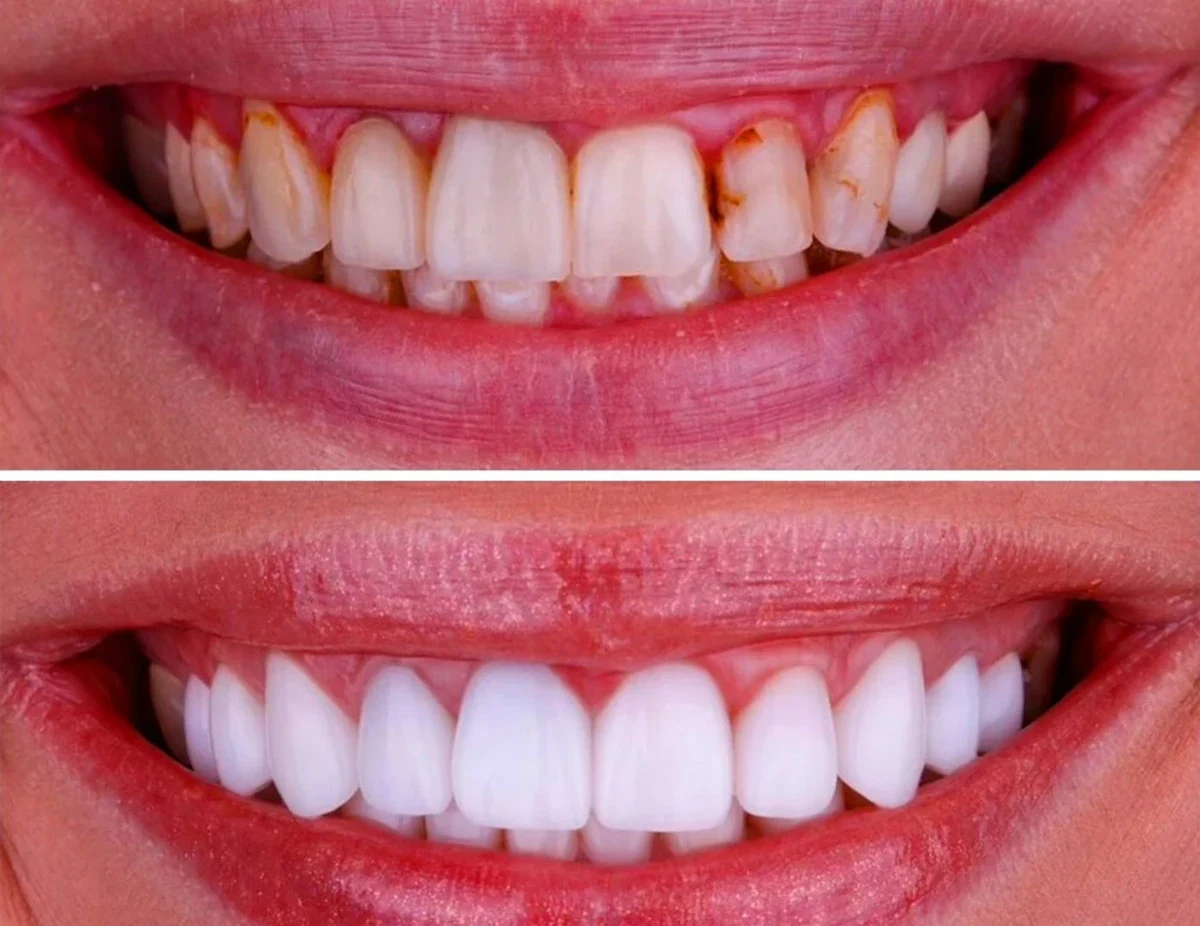
Perhaps one front tooth has always looked shorter than its neighbour, or a tiny chip catches your eye in photographs. Sometimes the whole smile seems uneven even though the teeth are otherwise healthy. It is reasonable to want a change, and equally reasonable to want to keep as much natural tooth as possible. The first task is to understand why the teeth look different before deciding how to reshape them.
The wider guide to composite bonding and porcelain veneers compares the materials. This guide considers the distinct problem of short, chipped or uneven front teeth and when composite bonding is useful, when tooth movement or contouring may be more appropriate, and when no treatment is the safest choice.
A related treatment-planning question is explored in Composite Bonding from Consultation to Repair: A Conservative Treatment Guide. This related guide addresses a different patient question and can help you compare your options without rushing a decision.
Is the tooth actually too short?
Two teeth can look unequal because of their visible length, gum levels, position in the arch or the way the lips frame the smile. A tooth that has rotated may appear narrower or shorter; a tooth with an uneven gum margin may look different even when the crowns have similar dimensions.
A dentist should examine the tooth shape and position from several angles, including during speech. If a tooth has become shorter through wear, the reason for that wear needs assessment. Adding material without understanding the cause may not solve the problem.
Ask what the clinician believes is creating the appearance and whether you can see that difference in a photograph or mirror.
A small chip is not always just a cosmetic issue
Chips may follow an impact, biting on something hard or repeated wear. The tooth should be examined for sensitivity, cracks, decay or changes in the bite. A small chip on an otherwise healthy tooth may be suitable for conservative reshaping or bonding; a more extensive fracture may need a different restorative plan.
If the tooth was injured in a fall or accident, tell the dentist when it happened and whether pain, colour change or looseness followed. Do not let the apparent small size of the chip replace an appropriate assessment.
Where bonding is used, the dentist should explain whether the addition will sit in an area of heavy contact and what that means for repair risk.
When adding length changes the bite
The front teeth guide some jaw movements. An addition to an incisal edge may change when and how the upper and lower teeth touch. If there is too little room, the bonded material can be placed under unfavourable forces.
Your clinician may suggest a smaller change, tooth movement first or another design. These recommendations are not necessarily overcomplication; they may be attempts to protect both the new bonding and your natural teeth.
It is worth testing the planned contour in ordinary speaking and biting positions rather than judging it solely in a still photograph.
Could enamel contouring be enough?
Sometimes, a very slight irregularity can be improved by smoothing a sharp edge or adjusting the outline of an adjacent tooth. Enamel contouring removes natural tissue and therefore deserves conservative judgement; it is not reversible in the literal sense.
The choice between adding composite and removing a small amount of enamel depends on the tooth shapes, available enamel, aesthetic goal and bite. A combination is sometimes considered, but a clinician should explain the reasons for any irreversible preparation.
If you are uneasy about removing enamel, say so. You can ask for a plan that prioritises tooth preservation even if the result is more modest.
Could the apparent problem come from tooth position?
A slightly rotated, tilted or crowded tooth may look uneven because of alignment rather than its actual size. Orthodontic treatment could sometimes address the position without making substantial changes to the enamel.
That does not mean every small cosmetic concern warrants a long course of braces or aligners. You should be offered a proportionate discussion of benefits, inconvenience, costs and limitations.
The important question is whether bonding would disguise the position safely or whether it could create a bulky shape that is difficult to clean or maintain.
Matching one tooth to the rest of your smile
A natural-looking repair pays attention to colour, translucency, surface texture and the age of neighbouring teeth. An addition that is too opaque or too uniform may draw more attention than a subtle difference in length.
Explain whether you want an almost imperceptible repair or a more noticeable aesthetic change. The dentist may use photographs or a mock-up so you can judge the planned shape.
If the surrounding teeth have old restorations or have darkened, shade matching may be more complex. Discuss this before the final material is placed.
What if several teeth are chipped or worn?
Multiple shortened teeth can indicate more extensive wear, an altered bite or another dental problem. Bonding every edge without checking the cause may result in repeated repairs. The plan may need to include assessment of clenching, grinding, acid-related wear and existing restorations.
Sometimes a staged approach is appropriate: identify and manage the cause, agree a realistic aesthetic goal, then restore selected teeth. The clinician should discuss alternatives if a larger rebuild would be clinically necessary.
You do not have to choose an extensive makeover to address one small concern; equally, a single small repair may not be the best response to widespread deterioration.
Maintenance, repair and expectations
Composite is not a permanent, unchanging surface. It can chip, wear or stain and may need professional polishing or repair. The risk depends on the size and location of the addition, your habits and the bite.
Ask what to do if a bonded edge feels rough, changes colour or breaks. In some cases localised repair is possible; in others the dentist may recommend a different solution after examining the cause.
The guide to the lifespan and upkeep of bonding explains why maintenance is part of the decision from the start.
A patient-centred decision checklist
- What is causing the apparent shortness or unevenness?
- Is there any evidence of injury, decay or ongoing wear?
- Would adding material interfere with my bite?
- Could contouring, orthodontics or no intervention be appropriate?
- What natural tooth tissue would be affected?
- Can I see an example or mock-up of the intended size?
- How would repairs be managed if the restoration chips?
A good cosmetic conversation should respect the size of the change you want. You may prefer an imperfect but natural-looking detail over a dramatic, uniform redesign.
References and further evidence
The cause of chipped or uneven teeth should be assessed before cosmetic modification. This guide is not a diagnosis or a guarantee that bonding is suitable.
Your next step, when you’re ready
We would be pleased to welcome you for a £30 consultation at your preferred Iconic Smiles practice. Bring your questions, and we can talk through the options that may suit you.
Any additional investigations and their fees will be explained before you decide.