
Super-master guide · Bonding, veneers and whitening
Porcelain Veneers for Worn or Restored Teeth: Questions Before Treatment
Bite load, remaining enamel, existing restorations and alternative options across multiple teeth.
Discover what could suit your smile
Whether you are thinking about colour, shape or a subtle change, a £30 consultation is a welcoming place to share your ideas, ask questions and explore a personalised approach.
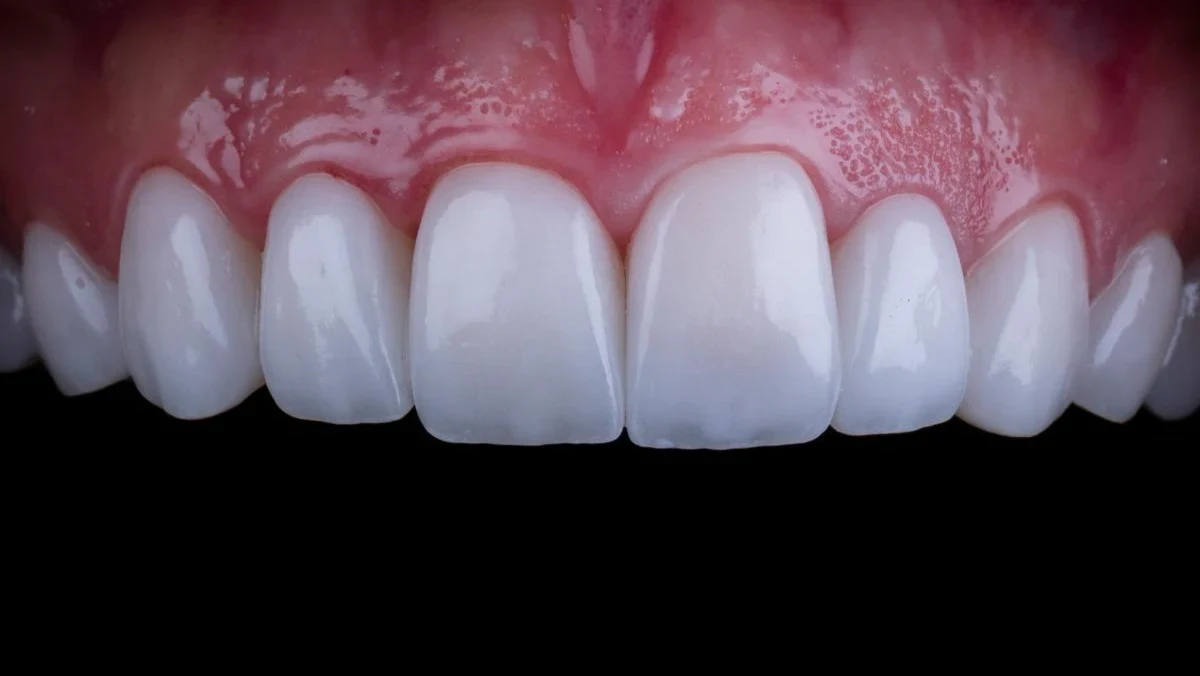
A veneer can be a beautiful solution for the right tooth, but teeth with extensive fillings, previous root-canal treatment or significant wear need particular care. The clinical question is not simply whether porcelain would improve their appearance. It is whether enough healthy tooth remains to support the proposed restoration, whether the bite is stable and whether another approach would protect the tooth more effectively.
If you are exploring porcelain veneers, first understand what veneer preparation may mean for natural teeth. This guide concentrates on teeth that have already been altered or damaged, rather than repeating advice for an intact tooth with a minor cosmetic concern.
A related treatment-planning question is explored in Porcelain Veneers: The Patient Journey from Planning to Aftercare. This related guide addresses a different patient question and can help you compare your options without rushing a decision.
Existing fillings change the starting point
A tooth that has several old fillings is not structurally the same as an untouched tooth. The remaining enamel and dentine, the condition of the existing restorations and any cracks influence how a new veneer could be bonded and supported.
The dentist should examine the extent of the old restorations, whether they are sound and whether decay or leakage is present. A large restoration may leave limited enamel for predictable bonding. In some cases a veneer may still be suitable; in others a crown, onlay or conservative repair may be more appropriate.
Ask the clinician to show you which surfaces would support the veneer and why that is acceptable.
Tooth wear: find the cause before replacing the shape
Teeth can shorten or become thinner through several processes, including mechanical wear and acid-related erosion. A worn edge may have developed because of repeated contact with opposing teeth, and simply restoring its original length may create an unfavourable bite contact.
The dentist should assess the pattern of wear, medical and dietary history where relevant, and how the teeth meet. If the cause remains active, the new restoration may be at risk.
A more comprehensive plan may include protective measures, bite changes or alternative restorative materials. The appearance you want matters, but it must be considered with the biological reason the teeth changed.
Teeth that have had root-canal treatment
Root-treated teeth can vary greatly in their remaining structure and condition. Some may have substantial healthy enamel, while others have large access cavities or existing crowns. Their colour may also have changed.
A veneer may not be the best choice if there is insufficient supporting structure or if the tooth requires other restoration for protection. The dentist should check the root-canal history, symptoms and any relevant imaging, then explain what treatment is needed before aesthetic decisions are made.
If a heavily filled front tooth is involved, ask whether an alternative restoration would better manage its risk of fracture.
Veneer, crown or bonding?
Composite bonding can add or repair selected areas relatively conservatively in some cases, whereas veneers and crowns involve different preparation, materials and coverage. A crown may be appropriate for certain extensively damaged teeth, but it can also require more extensive reduction of natural tooth tissue.
These are decisions about the condition of the particular tooth, not labels for cheap and premium care. The guide to crown and onlay choices explores the principle of matching restoration design to remaining tooth structure.
A good dentist should explain why a particular level of coverage is necessary and what can safely be preserved.
Bonding to different tooth surfaces
Bonding porcelain to enamel, dentine and existing restorative materials involves different conditions. The amount and quality of available enamel can influence the plan. Some old fillings may need replacing before a veneer is considered; others may affect the preparation and expected durability.
You do not need to memorise adhesive chemistry. You should, however, understand why the dentist is recommending a specific design and whether this changes the risk compared with placing a veneer on an intact tooth.
Ask if the old restoration will remain, be repaired or be removed, and what would happen if additional decay is discovered.
Bite forces and bruxism
If you grind or clench your teeth, the restoration may experience repeated loading. The clinician should assess the bite, tooth wear, muscle symptoms and any previous fractured restorations. A protective appliance or a different restorative sequence may be discussed where appropriate.
No material is indestructible, and a nightguard is not a guarantee against fracture. The choice should balance appearance with functional durability and the condition of opposing teeth.
If a proposal assumes extensive veneers without discussing obvious tooth wear or bite problems, ask for a clearer explanation of how those risks are being addressed.
Gum margins and cleaning access
The edge of a veneer needs to work with the gum and underlying tooth. Plaque-retentive contours, poorly accessible margins or untreated gum inflammation can create problems regardless of how natural the visible porcelain looks.
If gums bleed or are inflamed, the dentist may recommend periodontal care before elective restorations. This can change the timing and sometimes the design.
The goal is to create a restoration you can clean comfortably and a gumline that can be monitored over time.
A staged plan for complex mouths
When several teeth have old crowns, fillings or substantial wear, treating one tooth in isolation may produce a result that does not suit the final bite or shade. A staged plan might begin with disease control and repairs, then provisional shaping, then final restorations.
Ask whether existing restorations need to be changed together or whether some can safely remain. The decision should take account of your budget, desired appearance and the risks of disturbing otherwise serviceable dental work.
A conservative plan sometimes preserves imperfect but healthy restorations rather than replacing everything for uniformity.
Questions to ask before agreeing
- How much sound enamel and tooth structure remains?
- Are there cracks, recurrent decay or root-canal concerns?
- What caused the wear, and is it still active?
- Is bonding, an onlay, a crown or no treatment a reasonable alternative?
- How will you manage bite forces and possible grinding?
- How will the veneer margins be cleaned and reviewed?
- What could make a future repair or replacement necessary?
If you receive different recommendations, ask the clinicians to explain the underlying tooth prognosis and priorities. Reasonable choices can differ, but they should be understandable.
References and further evidence
- NHS — Dental crowns, veneers and other treatments.
- NICE CG19 — Dental health risk and recall planning.
The appropriate restoration for a worn or heavily filled tooth cannot be determined from appearance alone. A dental examination and individual risk assessment are essential.
Your next step, when you’re ready
We would be pleased to welcome you for a £30 consultation at your preferred Iconic Smiles practice. Bring your questions, and we can talk through the options that may suit you.
Any additional investigations and their fees will be explained before you decide.