
Super-master guide · Bonding, veneers and whitening
Porcelain Veneers: The Patient Journey from Planning to Aftercare
Realistic step-by-step pathway, temporaries, lab communication and follow-up; not veneer costs or survival data.
Discover what could suit your smile
Whether you are thinking about colour, shape or a subtle change, a £30 consultation is a welcoming place to share your ideas, ask questions and explore a personalised approach.
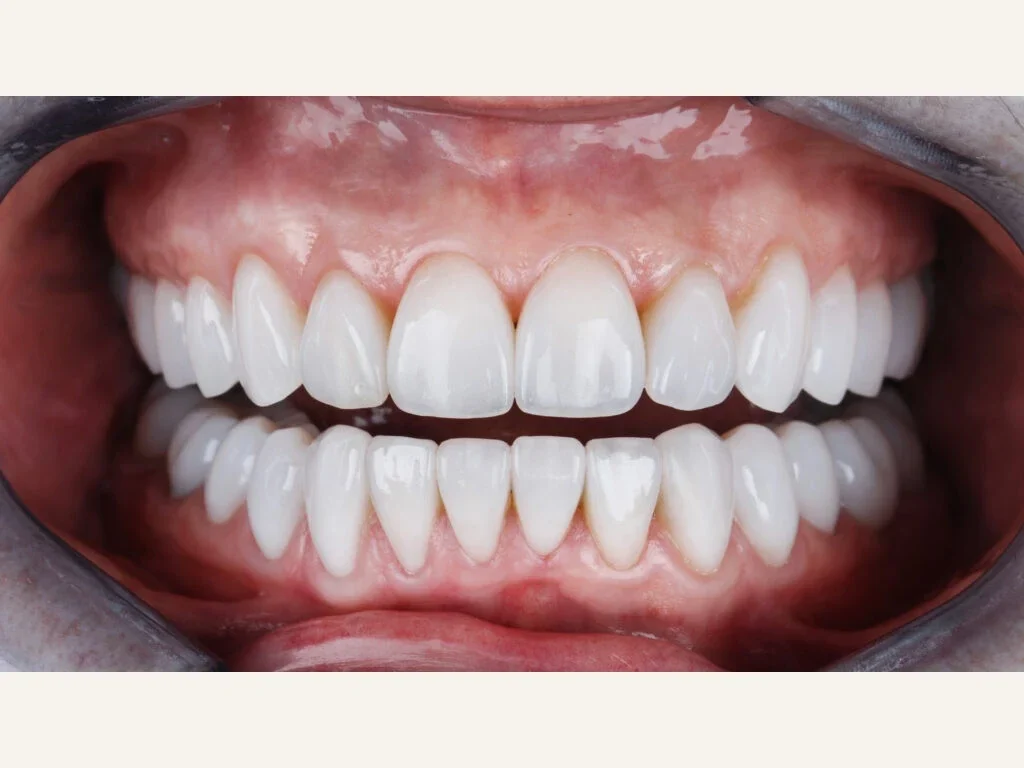
Porcelain veneers can change the appearance of teeth, sometimes dramatically. Before choosing them, however, it is important to understand that the treatment involves much more than selecting a shade. The dentist must assess tooth structure, gum health, the bite and whether a veneer is the most conservative way to achieve your preferred result. You should also know what happens at each appointment and what caring for veneers will involve in future.
For a discussion of tooth preparation, begin with whether veneers can affect natural teeth. This guide follows the experience of porcelain veneer treatment from initial conversation to fitting and follow-up, so that practical questions do not become surprises later.
A related treatment-planning question is explored in Porcelain Veneers for Worn or Restored Teeth: Questions Before Treatment. This related guide addresses a different patient question and can help you compare your options without rushing a decision.
Your first conversation: more than choosing white teeth
You may want to improve colour, change the outline of a tooth, address a chipped edge or create a more balanced appearance. A useful dentist listens to what you like about your smile as well as what you would like to change.
The clinical assessment should check whether the teeth and gums are healthy and whether tooth position, wear or existing restorations affect suitability. A small aesthetic concern may be managed with whitening, orthodontics, bonding or no treatment instead. The option with the most impressive before-and-after photograph is not necessarily the one that preserves the most natural tooth.
Ask what veneers are intended to solve in your case and why the recommended number of teeth is appropriate.
The design stage: photographs, records and mock-ups
The planning process may use photographs, scans, impressions and a diagnostic mock-up to discuss tooth length, width, shade and contours. The aim is to translate your preferences into a design that works with the lips, gums and bite.
A mock-up is useful for conversation, not a promise of the final result. The available enamel, underlying tooth colour, material thickness and laboratory stages can influence what is achievable. If you feel the design looks too long or too uniform, say so before permanent changes are made.
A natural result should be considered while you speak and with your lips relaxed, as well as when you smile fully.
Preparation and the meaning of a conservative veneer
Some veneers require removal of enamel to create space for the ceramic and appropriate margins. The amount varies with tooth position, shape, colour, the type of restoration and the intended design. Other selected cases may involve little preparation, but the term ‘no-prep’ should not be taken as a universal promise.
Removing enamel is irreversible. Ask exactly what preparation is proposed on each tooth and why. The clinician should explain whether the teeth could be treated successfully with an additive option or alignment first.
A conservative plan sometimes means accepting a smaller cosmetic change instead of removing healthy tissue to force a particular aesthetic result.
What happens if temporary veneers are needed?
Depending on the design and laboratory workflow, temporary restorations may be used between preparation and final fitting. These can protect prepared surfaces and provide an opportunity to assess general shape, although they may not have the final material's appearance or feel.
Your dentist should explain how to care for temporaries, what foods or habits to avoid and whom to contact if one becomes loose or uncomfortable. Do not assume a temporary problem is something you must tolerate until the fitting day.
If speech, lip support or the bite feels noticeably wrong, report it. This information may be useful before the final ceramic is made.
Choosing a shade that looks like you
A natural tooth is not one flat shade. Translucency, texture, surrounding teeth, gum colour and lighting all influence the way a veneer appears. Some patients want a brighter smile; others want restorations that no one notices.
Discuss how the selected colour will relate to teeth that are not receiving veneers. If whitening is planned, the order matters because ceramic restorations do not lighten like natural enamel. Your dentist should make the expected differences clear.
It is sensible to ask how photographs and shade records will be used to communicate with the dental laboratory, especially when several teeth are involved.
Fitting and checking the bite
At the fitting stage, the restorations are assessed for appearance, fit and suitability before final bonding. The clinician must consider margins, gum relationships and the way the upper and lower teeth meet. The bonding process and any adjustments depend on the material and clinical circumstances.
Do not rush through the moment when you are invited to comment on the shape and colour. Explain what you see and whether the planned result reflects the discussion. At the same time, remember that a trial placement may not exactly reproduce the appearance after final bonding.
The finished teeth should be checked in a functional context, including bite contacts where appropriate.
What veneers can and cannot guarantee
Ceramic veneers can provide a durable and attractive restoration in suitable cases, but they can fracture, debond or need replacement. The outcome depends on preparation, bonding, underlying tooth health, bite forces and ongoing care.
No clinician can promise that a veneer will last for a particular number of years. The guide to veneer survival and maintenance explains why published survival figures must be interpreted carefully.
If you clench or grind your teeth, or already have widespread tooth wear, discuss whether the proposed design needs changing and whether alternatives might be safer.
Cleaning and follow-up
Veneers still meet natural teeth and gums. Decay and gum inflammation can affect the underlying tooth or surrounding tissues even when the ceramic itself looks sound. Brushing, interdental cleaning and reviews remain important.
Ask how the veneer margins should be cleaned and whether the design creates any particular areas requiring attention. The dentist should show you how to recognise changes that merit assessment, such as a persistent rough edge, tenderness or a change in gum health.
NICE supports tailoring dental review intervals to individual risk. Veneer maintenance should be part of that wider plan rather than an optional cosmetic extra.
Costs and future replacement
A transparent quotation should explain the number of veneers, assessment and planning stages, temporary work where relevant, final ceramic restorations, and what happens if changes are needed. Ask what future repairs, debonding or replacement would cost.
If a tooth develops decay or another problem later, the existing veneer may need to be altered or replaced. Future dental work is a realistic consideration, especially for younger adults who may need restoration maintenance over many years.
Compare the full commitment with less invasive options, not only the first fee.
Questions to ask before treatment
- What is the minimum number of teeth that would need work to meet my goals?
- How much enamel will be removed and why?
- Could orthodontics, whitening or bonding be suitable instead?
- Can we preview tooth shape during speech and at rest?
- Will I need temporary restorations?
- How will the bite and cleaning access be checked?
- What might cause failure or future replacement?
- What aftercare and maintenance costs should I expect?
You should be able to take time to decide. A permanent change to natural teeth deserves a considered consent process.
References and further evidence
This is general patient guidance. Veneer suitability, preparation and long-term prognosis require an individual assessment and informed consent.
Your next step, when you’re ready
We would be pleased to welcome you for a £30 consultation at your preferred Iconic Smiles practice. Bring your questions, and we can talk through the options that may suit you.
Any additional investigations and their fees will be explained before you decide.